2026 Speed Challenge - Telnar1236

telnar1236

Master member
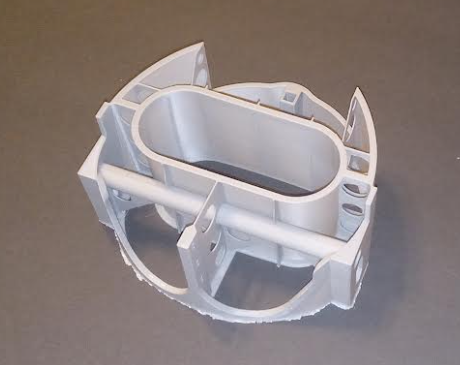
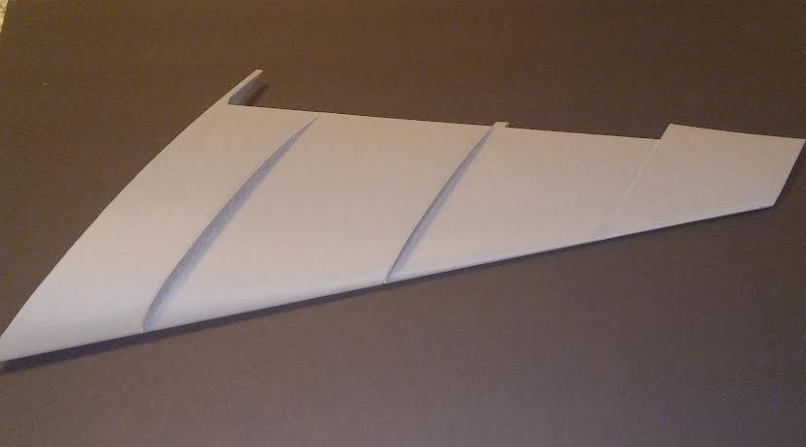
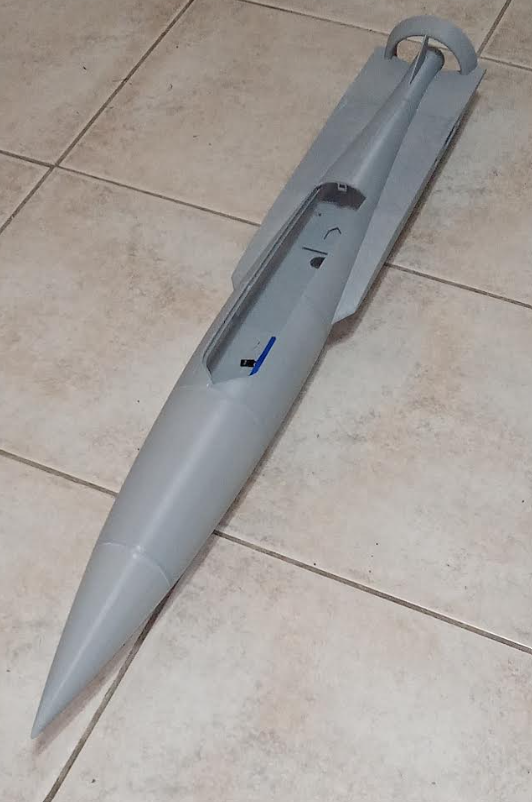
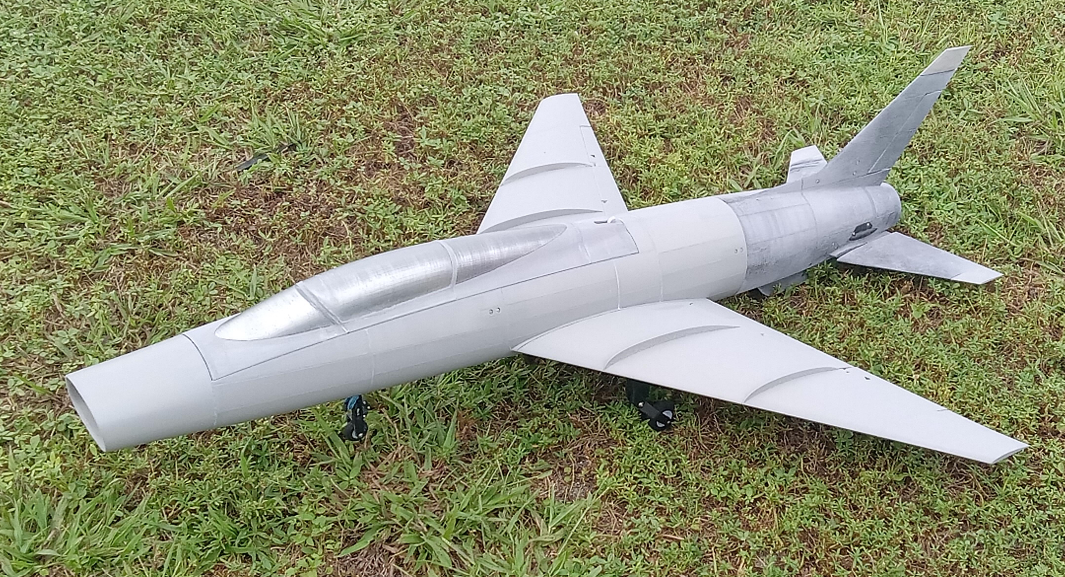
Got the entire nose fuselage and most of wing as well as part of the core fuselage of the Mk 2 Super Duper Sabre printed out.
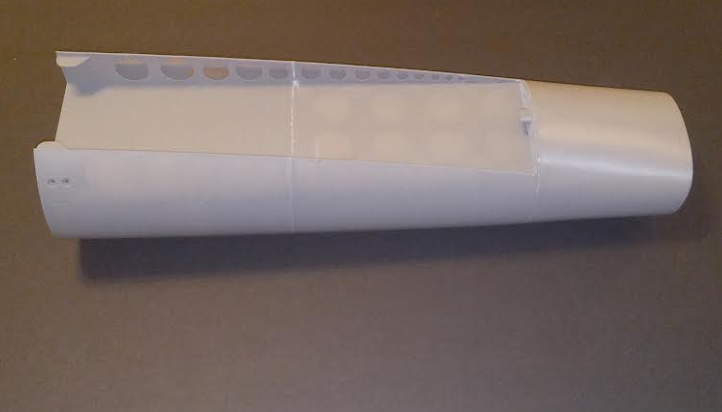
1787176755852.png
1787176849471.png
1787176818248.png

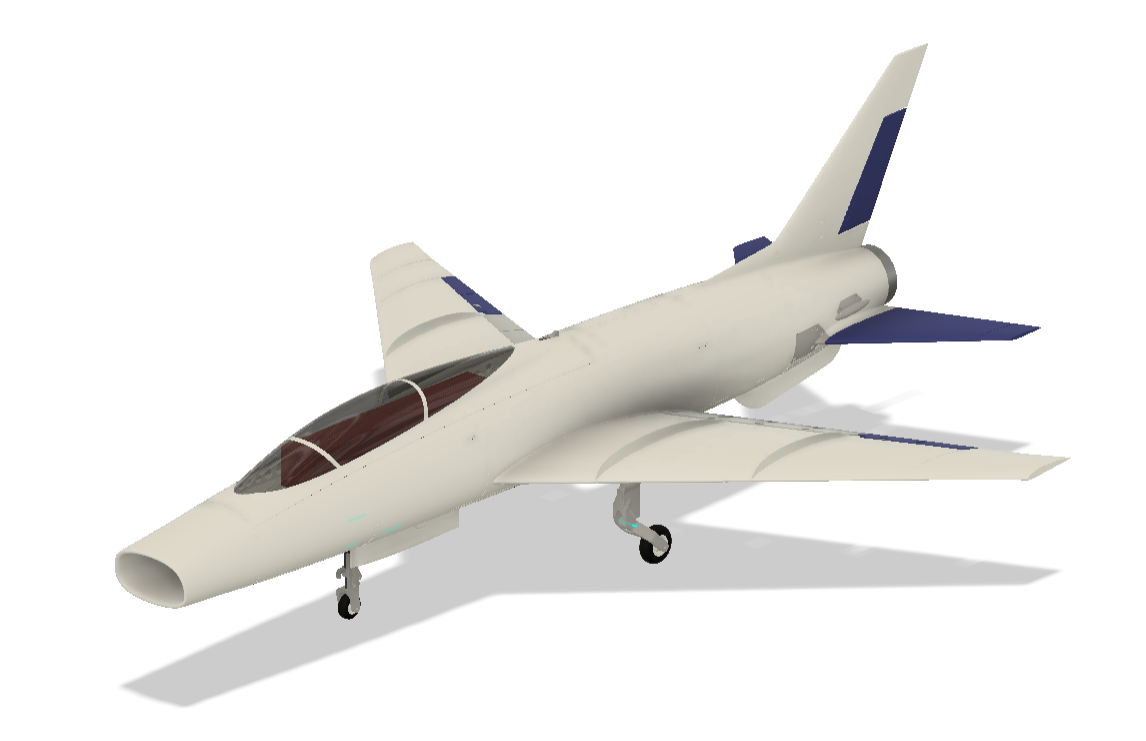
As well as the changes to the aerodynamics, I'm also switching back to normal ABS. The new infill patterns get about the same level of warping with normal ABS as the gyroid infill did with CF ABS so I'm comfortable with the precision I can achieve now. And normal ABS, as well as being much tougher and less prone to cracking which should hopefully help the plane survive a bit better, is much less of a pain to post process since it doesn't produce carbon fiber dust when you sand it. It's also half the price which is good given how many parts I've needed to reprint. And I can print it in "silver" (more like slightly metallic gray) which puts a thunderbirds livery back on the table.
1787177332487.png

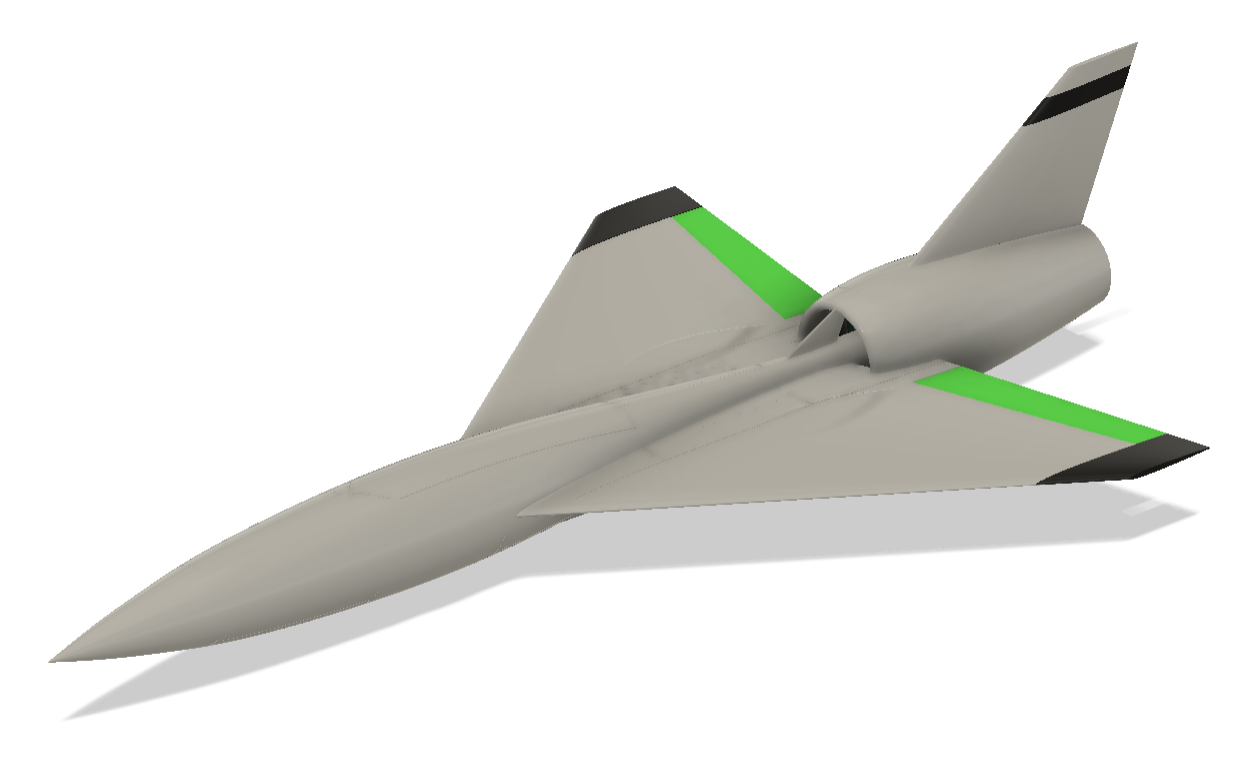
Along with the other changes, I'm also increasing the height of the tail to compensate for the increased wind and stabilator area. With how much it's changed, I'm debating going back to the original name of the Wraith since it no longer resembles an F-100 anywhere near as closely.
 

telnar1236

Master member
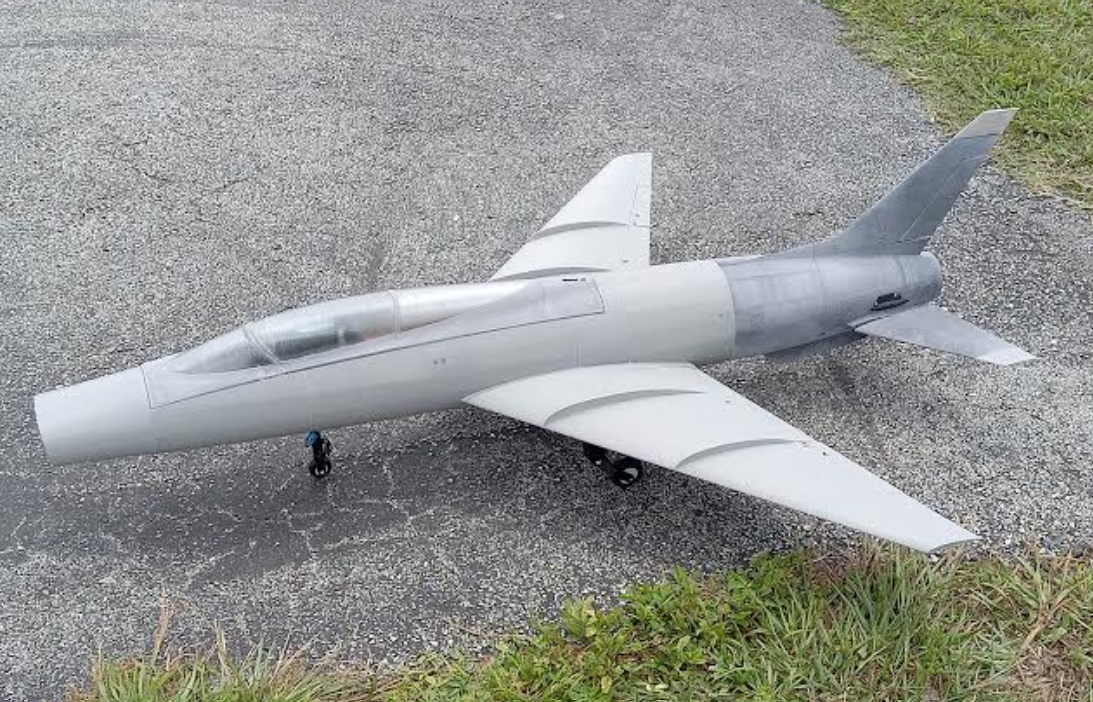
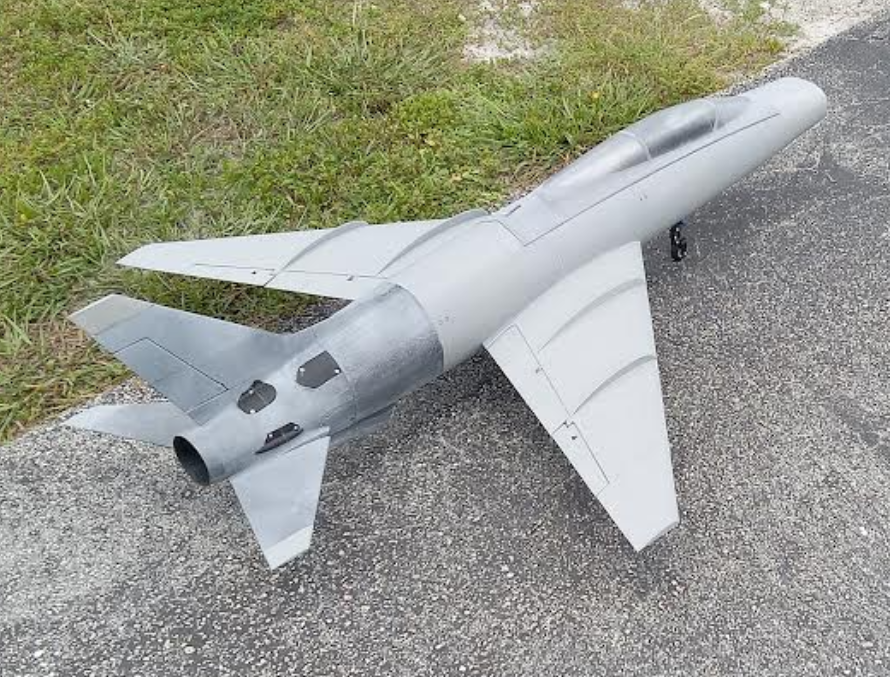
Beginning to think there's a goblin following the Super Duper Sabre around and messing with stuff. I got the Mk 2 printed out and ready to fly, brought it to the field, lined up for takeoff, and started it rolling. And then the EDF decided to eat something and shed all of its blades. I'm not sure if it picked something up off the runway or the duct buckled and it ingested part of the duct, but in case it was the duct, I'm going to try and reinforce that.

As a plus, it does look very good on the ground - somewhere between an F-100 and a MiG 19 at this point.
1787508231803.png

1787508260440.png

For the competition, I'll see if the 80mm Freewing EDF from my Mirage fits it temporarily, since I doubt I'll be able to get a new FMS EDF shipped in time, or maybe I'll just try and scale up the Rapier or something so I have something simple and at least relatively fast.
 

MadMonkey

Elite member
Official speed entry! Video will be posted when they're edited and uploaded (out of my hands).

1000024884.png


198.2 mph

So. Freaking. Close.

But, I forgot to hit the "flying" button on my first runs, so it didn't record anything... and the only other batteries I have are garbage 😭 So 198 on a crap battery actually makes me happy.

I MIGHT be able to get another run in before the end of the contest but I doubt it 😭
 

telnar1236

Master member
Turns out FMS has a distribution center of some kind pretty close to me so I'm actually getting my new fan pretty fast. Delivery is scheduled for tomorrow so I might actually be able to get back in the air again this weekend.
I also started working on putting together a scaled up Rapier. With MadMonkey's almost 200 mph run in the books, I can't let the EDFs get left that far behind (the super duper sabre is looking like it will shape up to be at most a 150 mph design and more likely somewhere in the mid 140s at this point), so I started looking at what I could do with the parts I have to hand.
1787794966741.png

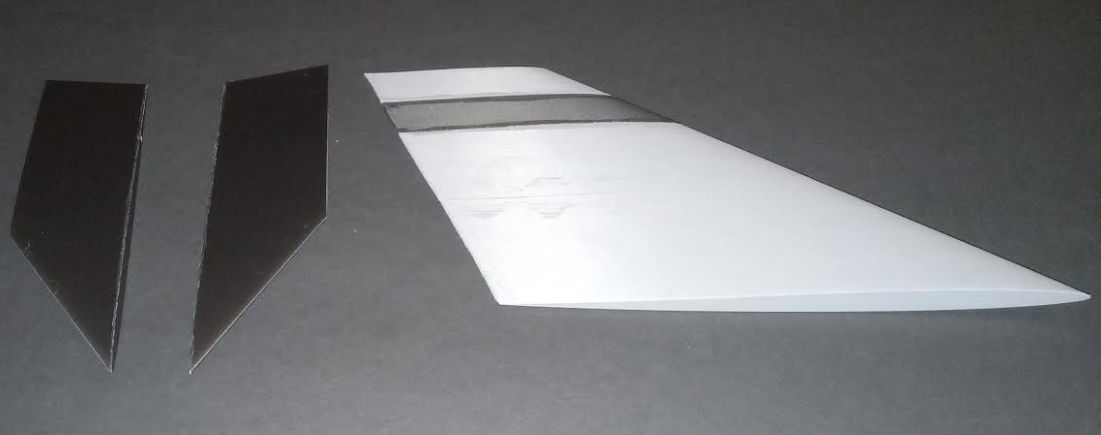
And turns out, the Rapier has a heck of a lot of untapped potential if you increase the size. The Rapier 90 is 40% bigger than the Rapier 64 with about 4x the thrust which should let it push up towards that 200 mph mark on 6s. The Rapier is also a very simple design structurally which makes it possible to scale up and build fairly quickly. I already have most of the fuselage, the entire vertical stabilizer, and the wingtips printed out.
1787795240730.png
1787795262464.png

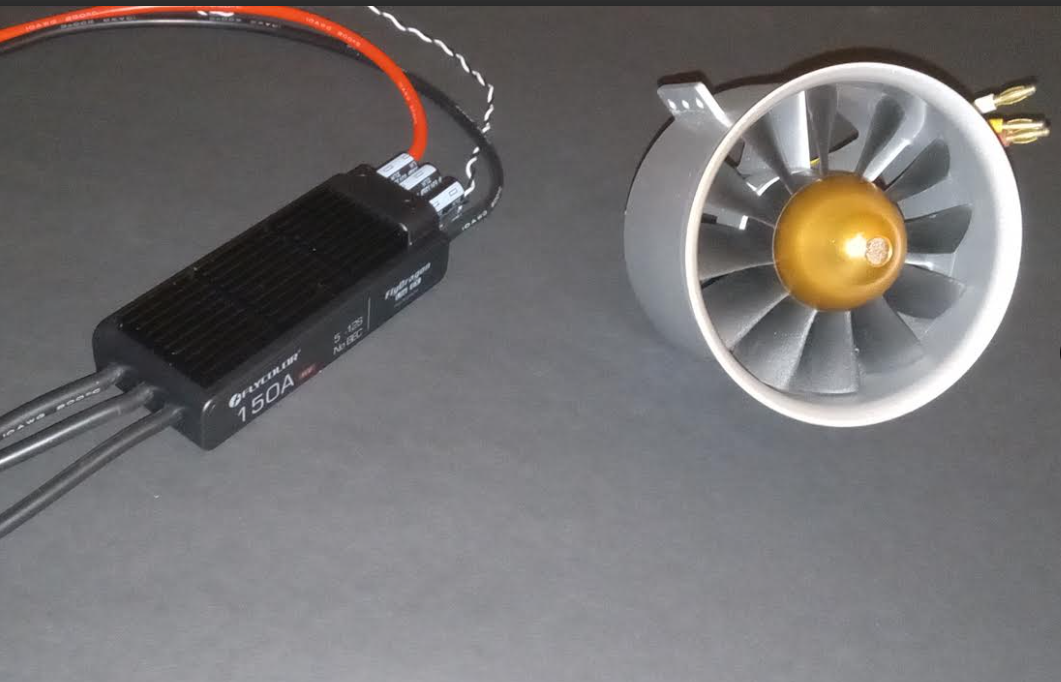
The power system will be a Freewing 1750 KV 90mm EDF unit paired with a 150A ESC from an electric paddle board (I checked and it's capable of handling the RPMs of an EDF and is actually designed specifically to work with some of the 110mm units).
1787795459520.png

On 6s, this setup should draw around 110 A which is pretty typical for a 90mm fan and deliver about 2.5 kW of power, so only slightly more than the super duper sabre, although in a much slicker package without any of the frills that are designed for things other than simple top speed. However, I did some research and it seems like the 1750 KV 90mm EDF is fine on 8s, at least for a while, if you put a powerful enough ESC in there with it. On 8s it will draw closer to 170 A (which is within the rating of the ESC - it can sustain that for up to 10 seconds) which will double the power output to about 5.2 kW which could get... exciting...

On that setup it might be able to rival the Psycho for the title of fastest 3D printed airplane on Earth
 

telnar1236

Master member
Oh this will be interesting... I like it.

I know some of the turbine record birds have similar designs. Should be fast!
Interesting might mean exploding into a million pieces, but it should be exciting one way or another.

I ran some optimization when I was looking at the design of the Rapier 64 and was surprised by just how good a delta was for building a simple speed plane. More conventional planforms still have their place and with flaps and laminar flow airfoils they're quite competitive since you can boost CL way higher compared to a tailless design and therefore have less wing, but without all of those bells and whistles, a delta, at least on paper, gives the best balance of low stall speed to high top speed by some margin, even at RC plane scales. Knowing what I do now, the Super Duper Sabre would have ended up a BLI delta with a configuration like that of the Rapier since it is just better at being low drag and I suspect it would be easier to land too, while also offering substantially more internal volume and much greater mechanical and structural simplicity. But at the time I was designing it originally, I was on the fence over if a BLI design would work well with the EDF hanging off the back like that and had yet to achieve a working design in this configuration.
 

telnar1236

Master member
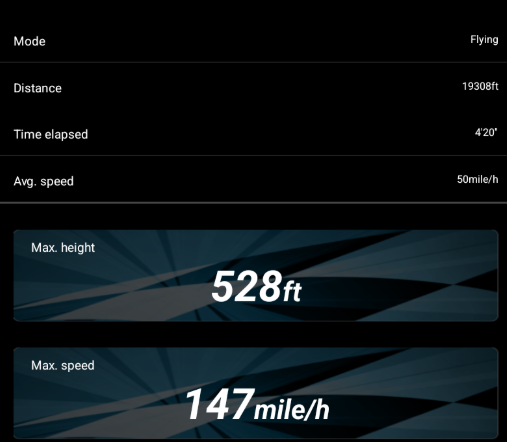
The improvements to the Super Duper Sabre work! No duct implosions and I can actually land it now and refly it again after landing. It's still a swept wing jet and you can feel a bit of instability on landing, but it's now so much more stable and manageable. It's also a real joy to fly now - it always flew well if you kept the speed up, but it can now turn much tighter and feels both more stable and more responsive - in retrospect it really needed these changes. The gremlins are still chasing this plane since one of the gear didn't come down this flight, but the belly landing was quite gentle and there was no damage.
1788135502761.png

And as a bonus, somehow all the changes added 9 mph to the top speed. Flying it, I didn't really notice much difference, but after landing, someone who's seen several of the flights said, "that was much faster this time" and it was a bit of a surprise checking the GPS reading. It now is very firmly the fastest plane I have ever built.
1788134998620.png


There are so many changes, I have no idea which was responsible. The most likely seems to be that the part of the duct I added a carbon fiber tube to strengthen was bending inwards and restricting flow to the EDF, even in the carbon fiber versions, so the additional stiffness means the EDF is getting the most air it's ever gotten. The next two most likely are that the replacement EDF produces a good deal more thrust, or that the ABS print has a much smoother surface vs. the CF-ABS which reduces parasitic drag from skin friction. In the realm of possibility, but less likely, the wing fences could be improving laminar flow (since after designing the wing I learned spanwise flow can really disrupt laminar flow) or that the longer wing reduces induced drag, or that the longer control surfaces reduce trim drag. Or it could be any combination of the above or something I just haven't considered yet. One way or another, I'm not about to complain.

Still no video, but hopefully I can finally get some good video next weekend now that it seems to be working well.
 
Last edited:

Houndpup Rc

Legendary member
The improvements to the Super Duper Sabre work! No duct implosions and I can actually land it now and refly it again after landing. It's still a swept wing jet and you can feel a bit of instability on landing, but it's now so much more stable and manageable. It's also a real joy to fly now - it always flew well if you kept the speed up, but it can now turn much tighter and feels both more stable and more responsive - in retrospect it really needed these changes. The gremlins are still chasing this plane since one of the gear didn't come down this flight, but the belly landing was quite gentle and there was no damage.
View attachment 260160
And as a bonus, somehow all the changes added 9 mph to the top speed. Flying it, I didn't really notice much difference, but after landing, someone who's seen several of the flights said, "that was much faster this time" and it was a bit of a surprise checking the GPS reading. It now is very firmly the fastest plane I have ever built.
View attachment 260159

There are so many changes, I have no idea which was responsible. The most likely seems to be that the part of the duct I added a carbon fiber tube to strengthen was bending inwards and restricting flow to the EDF, even in the carbon fiber versions, so the additional stiffness means the EDF is getting the most air it's ever gotten. The next two most likely are that the replacement EDF produces a good deal more thrust, or that the ABS print has a much smoother surface vs. the CF-ABS which reduces parasitic drag from skin friction. In the realm of possibility, but less likely, the wing fences could be improving laminar flow (since after designing the wing I learned spanwise flow can really disrupt laminar flow) or that the longer wing reduces induced drag, or that the longer control surfaces reduce trim drag. Or it could be any combination of the above or something I just haven't considered yet. One way or another, I'm not about to complain.

Still no video, but hopefully I can finally get some good video next weekend now that it seems to be working well.
Great job!👍👍
 

telnar1236

Master member
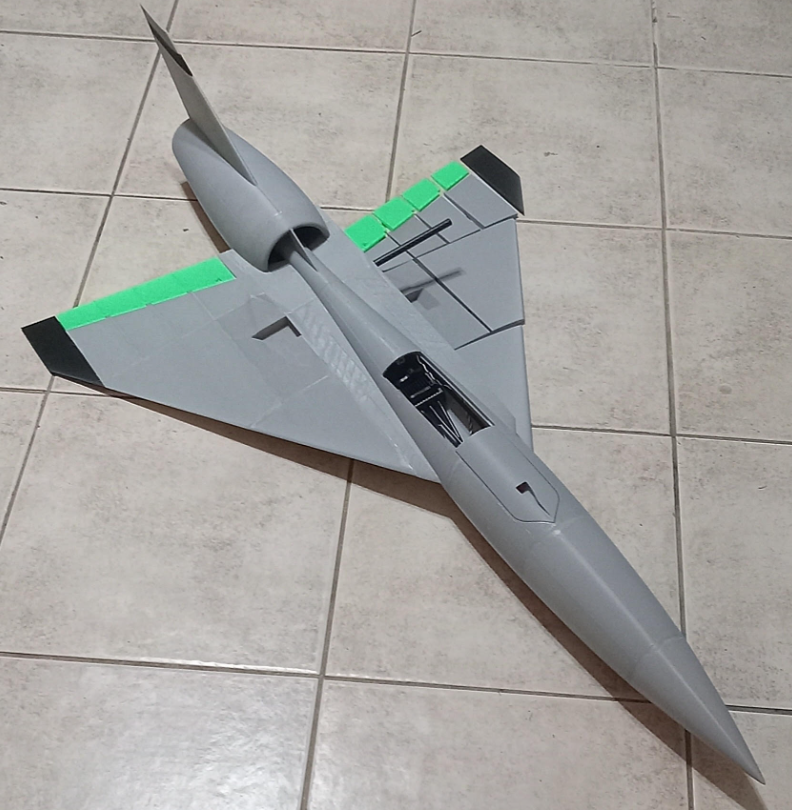
With the Super Duper Sabre likely down for the count, my remaining attempts at speed runs will need to be made by the Rapier 90. Last week was a bit busy so I didn't have too much time to work on it, but it's still coming together. Got pretty much everything printed and the power system partially installed. Should have time to get a few flights in before the competition ends.
1788822945680.png

All that remains to print is the rest of the hatch, the control horns, servo fairings, and a takeoff dolly since this thing is much too big and heavy to be trying to hand launch. After the Super Duper Sabre getting snagged by the grass, I moved the servos on the Rapier to the top of the wing. The 64mm version didn't have any issues with things getting caught, but better safe than sorry.

Hoping to hit 200 mph with this, but the boundary layer ingesting designs seem to be a bit unpredictable when it comes to top speed. The
64mm version was a good 20 mph slower than I originally calculated, and while I was able to calibrate my model to match it (and use that model for the 90mm version), having to go back in and make my model match reality doesn't give me a ton of confidence in its predictions so while it will be fast, how fast is anyone's guess. The model prediction is 229 mph on 6s and 253 mph on 8s, but like I said, it's probably not a great representation of reality and the 64mm version was quite a bit slower than predicted.
 

MadMonkey

Elite member
Good call on moving the servos. Years ago I was at the field in Yuma where a very pretentious guy with an attitude was proudly showing off his new Habu 32. Everybody in the peanut gallery was yelling LOWER as he did high speed passes.

Finally he went max low and dragged the left aileron servo, which stripped it, and yoinked the Habu directly into a chain link fence at at least 100+. The fuselage extruded through and the wings stayed on the fence.

One of the funniest things I've ever seen. He was making excuse after excuse as to how it wasn't his fault and then blaming us for saying lower 🤣
 

LitterBug

Techno Nut
Moderator
Good call on moving the servos. Years ago I was at the field in Yuma where a very pretentious guy with an attitude was proudly showing off his new Habu 32. Everybody in the peanut gallery was yelling LOWER as he did high speed passes.

Finally he went max low and dragged the left aileron servo, which stripped it, and yoinked the Habu directly into a chain link fence at at least 100+. The fuselage extruded through and the wings stayed on the fence.

One of the funniest things I've ever seen. He was making excuse after excuse as to how it wasn't his fault and then blaming us for saying lower 🤣
I take full responsibility of my "lower incident" this year. It cost me a foam FPV pod and a gimbal. I will go lower again in the future, but not while flying on a gyro stabilized FPV camera. That eats the pitch feedback. LOL
 

telnar1236

Master member
I think everyone eventually ties the record for the world's lowest pass. Just have to hope you do it with a plane you don't mind losing and have the grace to laugh it off afterwards instead of being mad. Mine was with my 90mm Freewing F-22 - got a bit too low inverted and sanded down the tips of the vertical stabilizer and scratched up the canopy - was lucky it wasn't worse.

In general, there are pretty good reasons to put control linkages on the bottom of the wing - the airflow over the top of the wing is faster and contributes a lot more to lift so anything above the wing is higher drag and hurts flight characteristics worse in general. For the Rapier, I'm willing to take that hit for safety on landing, but in general I'm more on the side of putting the linkages on the bottom